
India has been synonymous with rice for centuries, boasting one of the world’s most extensive collections of rice varieties. From aromatic Basmati to nutrient-rich indigenous grains, each type tells a story of tradition, biodiversity, and agricultural innovation.
A Journey Through Time: The History of Indian Rice
Rice has been cultivated in India for thousands of years, with historical records tracing its presence back to the Indus Valley Civilization. As an integral part of Indian culture, rice has been deeply embedded in religious rituals, feasts, and even medicinal practices. Over time, India has evolved into one of the largest rice producers and exporters, supplying premium-quality grains to global markets.
Exploring the Diverse Varieties of Indian Rice
India’s diverse climatic zones allow for the cultivation of a stunning range of rice types. Here are some of the most notable varieties:
1. Basmati Rice – The Aromatic Jewel
- Grown primarily in North India, Basmati is known for its long grains, exquisite aroma, and fluffy texture when cooked.
- Aged for better flavor, it’s a top choice for biryanis and pilafs.
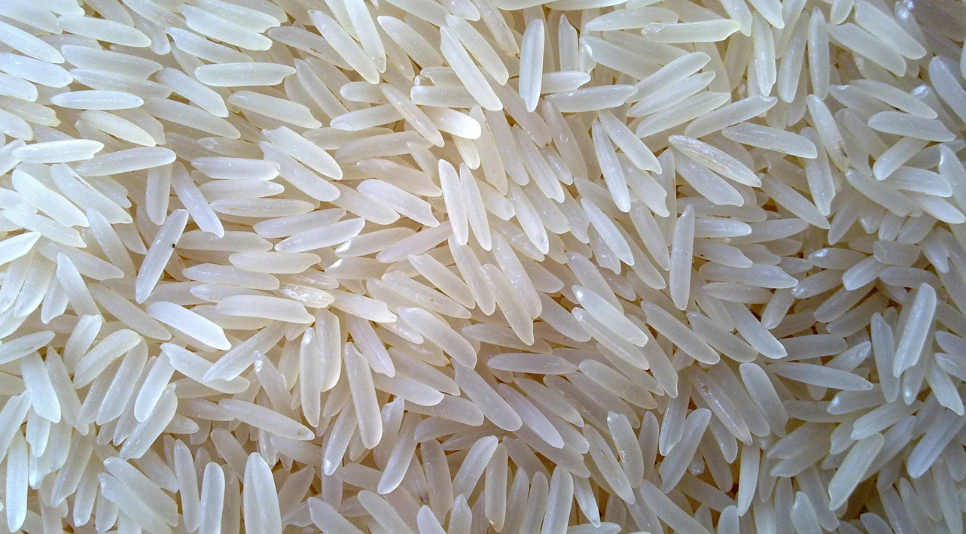
2. Sona Masoori – The Lightweight Rice
- Popular in South India, this medium-grain rice is soft, fragrant, and low in starch.
- Ideal for everyday dishes like idlis, dosas, and plain steamed rice.
3. Ponni Rice – A Staple in South India
- Developed in the 20th century, Ponni rice is rich in fiber and preferred for diabetic-friendly diets.
- Used in South Indian meals, particularly in curd rice preparations.
4. Gobindobhog – West Bengal’s Premium Short-Grain Rice
- A specialty in Bengali cuisine, this fragrant rice is used in khichdi and traditional sweets.
- Its soft texture makes it perfect for festive delicacies.
5. Red Rice & Black Rice – Nutritional Powerhouses
- Red rice from South India and black rice from North-East India are packed with antioxidants and fiber.
- Used in health-conscious recipes, they have unique, earthy flavors.
Why Indian Rice Continues to Lead Global Markets
India’s rice cultivation success is credited to advanced farming techniques, organic practices, and government initiatives supporting sustainable agriculture. Additionally, Indian exporters focus on quality control, ensuring that rice varieties retain their texture and aroma even after transportation worldwide.
Final Thoughts
From luxury exports to everyday staples, Indian rice continues to be a symbol of culinary excellence and cultural heritage. Whether you’re savoring a bowl of fluffy basmati or indulging in nutrient-rich red rice, each grain carries the essence of India’s agricultural legacy.